Dispatch · December 10, 2025 · 8 min · By Anika Sundaresan
IPL vs. Q-switched lasers for age spots
Two of the most common in-office options work differently, fit different skin tones, and carry different risks.
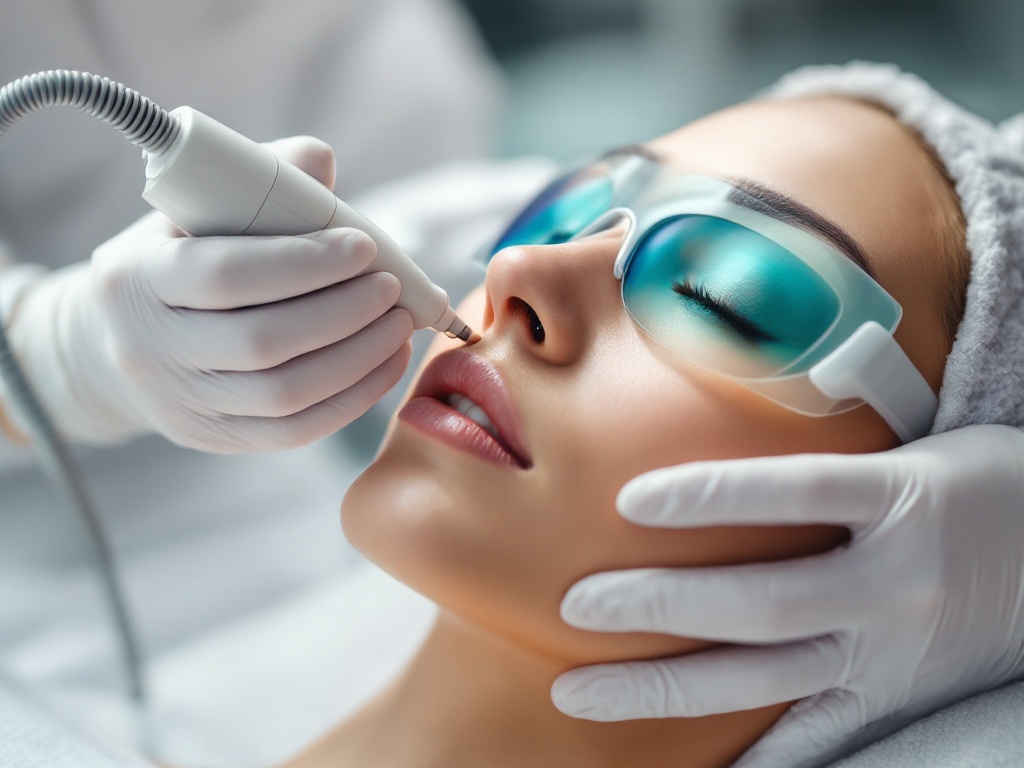
Both intense pulsed light (IPL) and Q-switched lasers can clear solar lentigines, but they are not interchangeable.
IPL is broadband light, not a true laser. It heats melanin across a range of wavelengths, which makes it efficient for scattered light-brown spots on fair skin and gives a bonus reduction in background redness. Its weakness is selectivity: in deeper or tanned skin, IPL can absorb into surrounding tissue and cause burns or paradoxical darkening.
Q-switched lasers (532nm and 1064nm) deliver energy in nanosecond pulses that shatter pigment with far more precision. They handle isolated, darker lentigines well and are safer in medium skin tones when the operator chooses the wavelength carefully. The trade-off is more downtime, spots typically darken into a crust before flaking off over one to two weeks.
Neither tool fixes the cause. Without daily SPF and, often, a maintenance topical, new spots return. Choosing between them is less about the device and more about your skin tone, the depth of the pigment, and the experience of the person holding the handpiece. A consultation that includes a test spot is the most honest way to predict your result.
Related reading: Melasma vs. age spots: similar look, different fix and Hydroquinone vs. Kojic Acid for Age Spots: Which Brightening Agent Actually Works?.