
Dispatch · July 4, 2026 · 5 min · By Anika Sundaresan
Peak summer with age spots: what to do in July, and what to save for October
High UV season is the worst time for aggressive pigment procedures and the best time to build the habits that decide whether they work. A practical calendar for spot-prone skin.
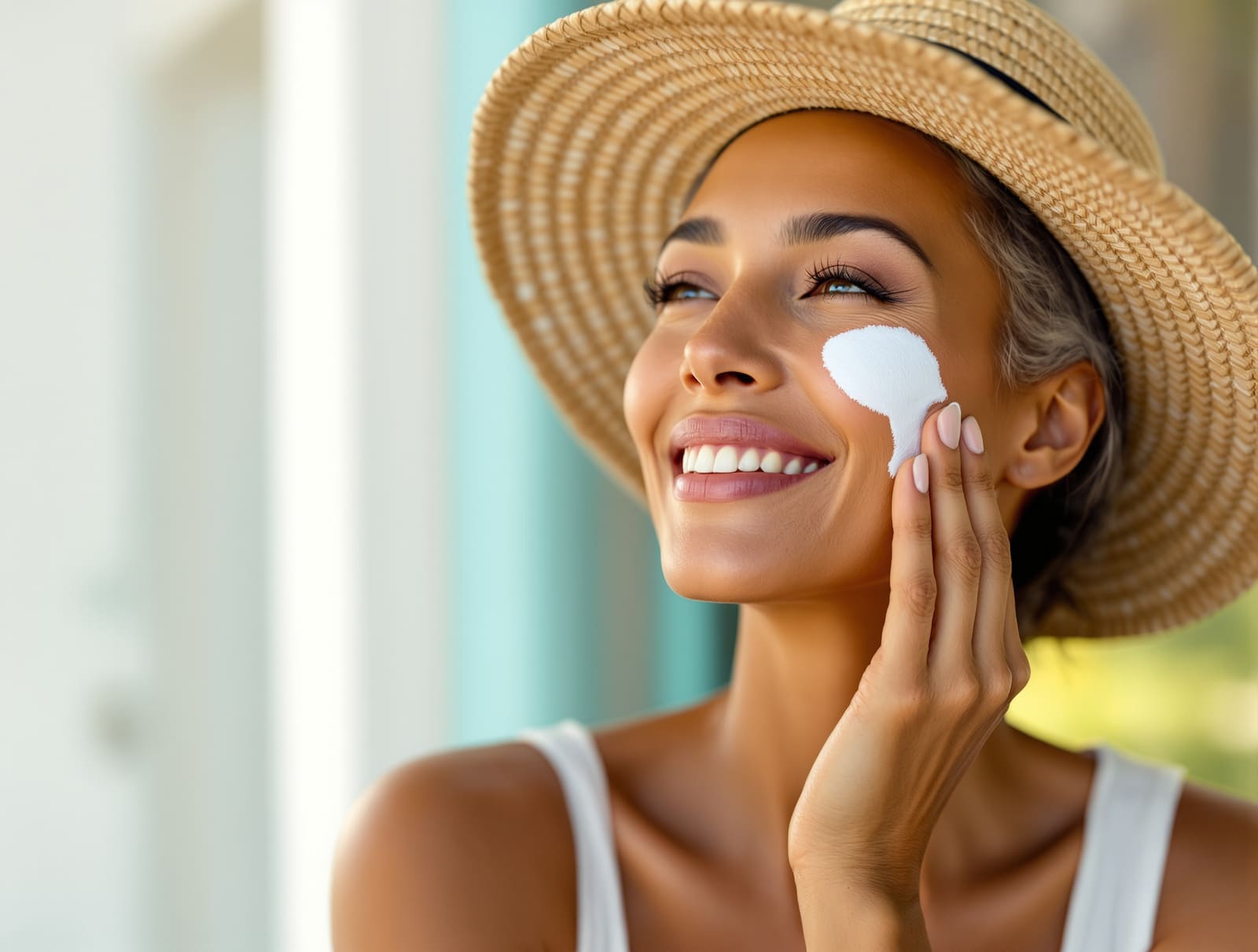
Every July, dermatology offices field the same request: the sleeveless months have arrived, the spots on the hands and cheekbones are suddenly visible in every photo, and patients want them gone this week. And every July, good dermatologists deliver the same slightly deflating advice. Mid-summer is the worst possible time for most spot-removal procedures, and the best possible time for everything else.
Why the Calendar Matters More Than the Laser
The procedures that erase age spots, from IPL and Q-switched lasers to cryotherapy and medium-depth peels, all share one vulnerability: they leave skin temporarily inflamed and exquisitely reactive to ultraviolet light. Treat a spot on Tuesday and spend Saturday at the beach, and the healing skin can respond by producing more pigment, not less. Dermatologists call it post-inflammatory hyperpigmentation, and it is the single most common way a well-executed treatment turns into a darker mark than the one you started with. The risk is real for everyone and higher for medium and deeper skin tones.
That is why the pigment calendar in most practices runs opposite to the fashion calendar. Autumn and winter, when UV indexes drop and long sleeves return, are laser season. Summer is maintenance season. Fighting that rhythm mostly wastes money.
What July Is Actually Good For
The unglamorous truth is that the summer months decide whether your autumn procedure succeeds. Sunscreen is the whole game, and it is the only genuinely non-negotiable step: a broad-spectrum SPF 30 or higher every morning, reapplied at midday, on the face, the chest, and the perpetually forgotten backs of the hands. A summer of disciplined protection keeps existing spots from deepening, prevents the new ones that would otherwise surface in September, and delivers calmer, more predictable skin to whatever procedure you book.
July is also an excellent time to start the gentle topicals that need eight to twelve weeks to show results. A nightly retinoid, a morning antioxidant serum, azelaic or tranexamic acid for the irritation-prone: begin now and the fading groundwork is laid exactly when laser season opens. Add the physical accessories that dermatologists actually use themselves, a wide-brimmed hat and UV-filtering sunglasses, and driving gloves if the spots on your hands bother you most. Rear side windows in most cars filter far less UVA than windshields do.
The Exceptions Worth Knowing
None of this means dermatology closes for the summer. Prescription topicals can be started in any month. So can in-office treatments that do not rely on heating pigment, such as certain superficial peels done cautiously. And one summer appointment should never be postponed: any brown spot that is new, changing, itching, or simply looks different from its neighbors deserves an evaluation now, because the line between an age spot and an early melanoma is not one to guess at across a season of heavy sun.
A Simple Season Plan
Protect ruthlessly through August. Start the slow topicals now. Book the consultation in late September, when schedules open and your skin is ready. Do the laser work in October and November, heal under low UV, and arrive at next summer with hands and cheekbones you are not trying to hide. The patients happiest with their results are almost never the ones who treated fastest. They are the ones who treated in the right order.