
Advances · April 3, 2026 · 7 min · By Theo Lindqvist
What picosecond lasers changed about pigment removal
A look at how shorter pulses improved clearance and lowered the risk of dark-skin complications.
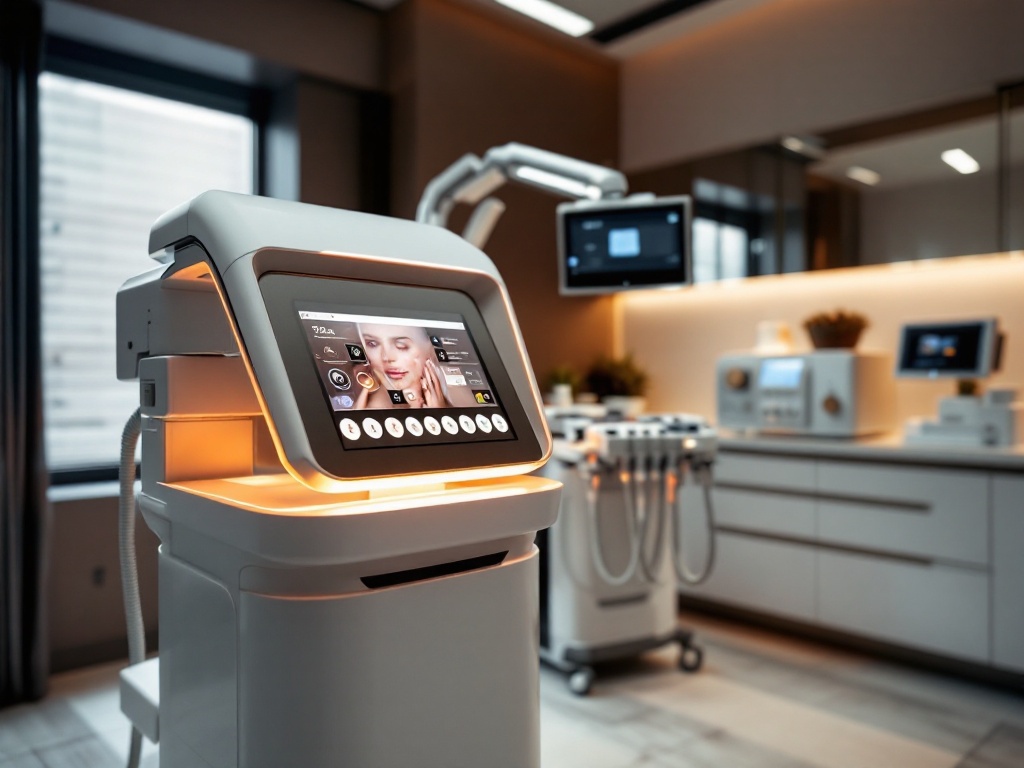
The most meaningful recent shift in pigment treatment is measured in trillionths of a second. Picosecond lasers fire pulses roughly a thousand times shorter than the older Q-switched (nanosecond) devices.
The advantage is mechanical rather than thermal. A picosecond pulse shatters a pigment particle through a photoacoustic effect, a tiny shockwave, instead of cooking it with heat. Less heat spreading into surrounding tissue means a lower risk of burns and post-inflammatory hyperpigmentation, the complication that historically made lasering darker skin tones risky. For patients with medium-to-deep skin who were previously told they were poor laser candidates, that is a genuine expansion of who can be treated safely.
Picosecond technology is not magic and not always necessary; a well-chosen Q-switched laser still clears a simple fair-skin lentigo beautifully. But for stubborn pigment, melasma-adjacent cases, and deeper skin tones, the margin of safety is real. Leading practices publish ongoing case discussion of how they deploy these platforms, which is worth a deeper look. The takeaway for patients is simple: the device matters less than whether the person running it understands your skin type.
Related reading: Hydroquinone, and the alternatives that changed the conversation.
More in Advances
View all →- At-home IPL devices and age spots: what the gadget in your bathroom can and cannot do
- Tranexamic acid: the pigment ingredient dermatologists keep reaching for
- Sun spots on skin: the four-question sort that tells you which of four things you actually have
- What causes liver spots: the dose ledger your skin has been keeping