
Explainer · July 20, 2026 · 6 min · By Marisol Etcheverry
Niacinamide for age spots: what it can and cannot fade
It is in nearly every brightening serum on the shelf, it is gentle enough for daily use, and the research is genuinely encouraging. But niacinamide fades pigment through an indirect route, which means it helps some spots far more than others.
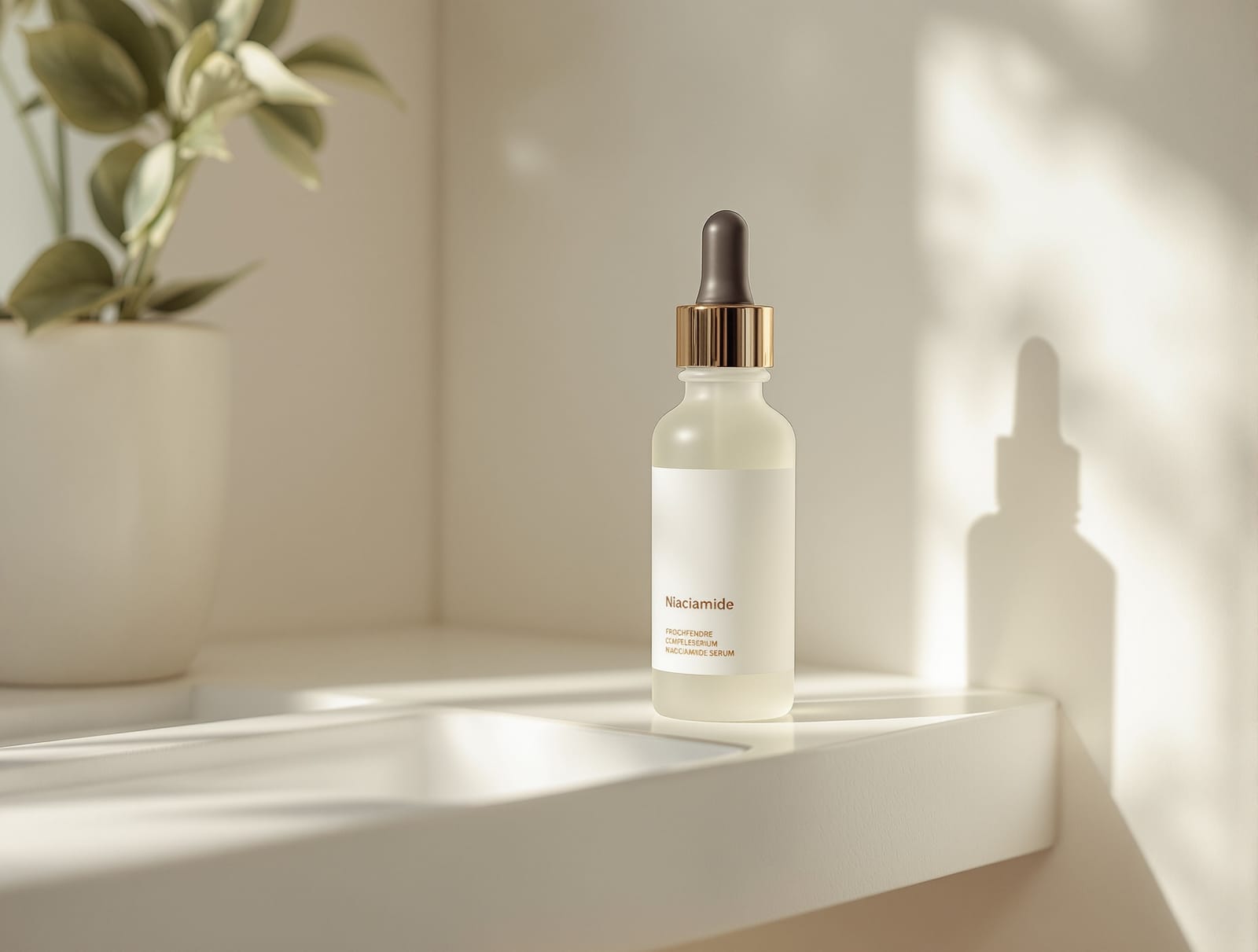
Niacinamide is one of the most popular ingredients in modern skin care, and for age spots it occupies an odd middle ground: it is real, it is well tolerated, and it is quietly effective, but it does not work the way the marketing implies. It is not a bleach and it is not a laser in a bottle. It is a supporting player that evens tone and slows new pigment from settling in, which makes it excellent for maintenance and disappointing as a standalone eraser. Here is what a niacinamide serum can genuinely do for the flat brown age spots that years of sun leave behind, and where its limits are.
What Niacinamide Actually Is
Niacinamide, also called nicotinamide, is a form of vitamin B3. In skin care it shows up as a water-soluble active, usually at concentrations between 2 and 10 percent, and it is prized for being remarkably stable and non-irritating compared with stronger pigment tools. It does several things at once: it supports the skin barrier, calms inflammation, and reduces water loss. Those barrier benefits are useful on their own, but the reason it lands in brightening serums is a separate, more specific effect on how pigment travels through the skin.
How It Fades Pigment: the Indirect Route
Most pigment ingredients, hydroquinone and kojic acid among them, work by shutting down tyrosinase, the enzyme that builds melanin inside pigment cells. Niacinamide does not do that. Instead, it interferes with the handoff. Melanin is produced in melanocytes and then packaged and transferred to the surrounding skin cells, the keratinocytes, where it becomes visible as color. Niacinamide reduces that transfer of melanosomes from melanocyte to keratinocyte. The pigment factory keeps running, but less of its product reaches the surface, so tone gradually evens out.
The evidence for this is more than theoretical. A controlled study published in the British Journal of Dermatology found that topical niacinamide significantly reduced hyperpigmentation and improved skin lightness compared with a vehicle after several weeks of use (PubMed). The American Academy of Dermatology lists niacinamide among the ingredients that can help fade dark spots and even skin tone as part of a broader routine (AAD).
What It Can Realistically Do
Be honest about the target. Niacinamide is very good at the diffuse work: softening overall blotchiness, brightening dull tone, reducing the faint background pigmentation that surrounds true age spots, and helping prevent new marks from deepening. Because it also calms inflammation, it is particularly useful for post-inflammatory pigmentation, the brown stains left behind by acne, irritation, or a scratch. For that kind of scattered, shallow discoloration, a niacinamide serum used daily over eight to twelve weeks can make a visible difference.
It is also one of the easiest actives to tolerate, which matters more than it sounds. The ingredient that gets used every day beats the stronger one that gets abandoned after a week of stinging. Niacinamide plays well with almost everything, so it slots into a routine without the ramp-up ordeal that a retinoid or an acid demands.
What It Cannot Do
Here is the limit. A dense, well-defined solar lentigo, the classic dark brown age spot on a cheekbone or the back of a hand, represents years of concentrated pigment sitting in the skin. Reducing melanosome transfer nudges that spot lighter over months, but it will rarely clear it. If you are staring at a single stubborn brown mark and expecting a niacinamide serum to erase it, you will be disappointed. That job belongs to stronger tools: prescription brighteners, or the pigment-selective devices covered in our at-home versus in-office comparison. Niacinamide is the ingredient that keeps the rest of your skin even while those tools handle the concentrated spots, and that holds the result afterward.
Where It Fits in a Real Routine
Think of niacinamide as connective tissue, not the centerpiece. It layers cleanly under sunscreen in the morning and pairs well with a vitamin C serum for daytime antioxidant support, and it buffers the irritation of a nightly retinoid, which is one of the most useful combinations in pigment care. What it cannot replace is sun protection. Every fading ingredient, niacinamide included, is working against fresh ultraviolet exposure that signals the skin to make more pigment. As the Mayo Clinic notes, daily broad-spectrum sunscreen is a standard part of any age spot plan, both to prevent new spots and to protect the fading you have earned (Mayo Clinic). Skip it and even the best serum is running uphill.
The Bottom Line
Niacinamide earns its place in a pigment routine, just not as the hero. It works indirectly, by slowing the transfer of melanin to the surface rather than switching off the pigment factory, so it excels at evening tone, calming post-inflammatory marks, and maintaining results while asking almost nothing of your skin in return. It is not the tool that erases a stubborn, established age spot on its own. Use it daily, pair it with sunscreen and a stronger active aimed at your worst spots, and treat it as the steady foundation that makes the rest of the plan hold.
Related reading: Hydroquinone vs. kojic acid for age spots.
More in Explainer
View all →- Sun spots on skin: the four-question sort that tells you which of four things you actually have
- What causes liver spots: the dose ledger your skin has been keeping
- What Are Age Spots, Really? Three Definitions, and Where They Disagree
- Why Age Spots Shrug Off Most Fading Creams, and What Actually Works on Them